

How the West Was Won with Chinamaxxing
Somewhere between iced coffee and geopolitical anxiety, Gen Z found a new personality: Chinese grandma energy. Hot water instead of cold brew. House slippers instead of shoes indoors. Tai chi in the park instead of a HIIT class.
Welcome to Chinamaxxing, the internet’s latest full-send lifestyle trend, and the one nobody can fully explain without also elucidating the entire U.S.-China relationship. So, please excuse our feeble attempt…
What is Chinamaxxing?
The name follows the same internet logic as “looksmaxxing” or “healthmaxxing.” Take a word, slap “maxxing” on it, and it means going all in. In this case, going all in on Chinese-coded daily habits. Warm water in the morning. Boiled-apple fruit tea for gut health. Qigong swapped for a gym membership. Slippers the second you walk through the door.
News18 probably describes Chinamaxxing the best. The mix of wellness rituals, daily habits, aesthetic appreciation, and tech curiosity all bundled under one hashtag.
The Lunar New Year gives it an extra push as people lean into traditions like not washing their hair for good luck. Also, the caption of choice, borrowed from Fight Club: “You met me at a very Chinese time in my life.”
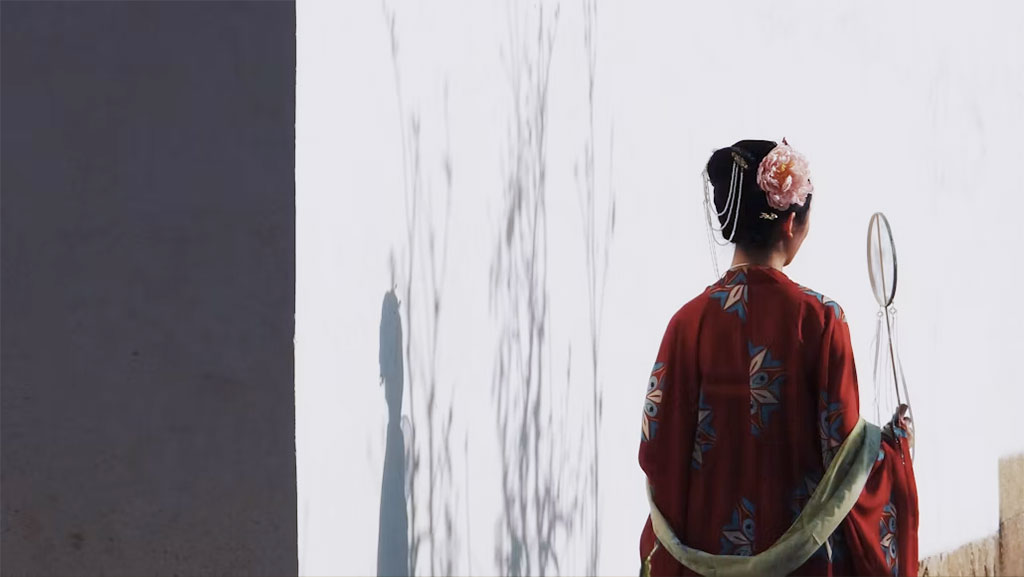
There’s another visual level. Chinese-inspired fashion, calligraphy, and interest in Chinese-made tech were once off most Americans’ radar.
It’s Exploded Beyond Meme Status
What started as niche TikTok content escalated fast. CNN reports that creators are now filming morning routines as a “new Chinese baddie,” with videos racking up millions of views. It didn’t stay contained to random creators, either. Celebrity moments like Timothée Chalamet playing ping-pong in Chengdu turned Chinamaxxing into something mainstream. A lot of this traces back to livestreamers Hasan Piker and IShowSpeed, who toured Chinese megacities and broadcast the trip to millions of viewers.
Not Everyone’s Sipping the Tea
Plenty of people think the whole thing is, at best, a shallow costume and, at worst, something more uncomfortable.
The Appropriation Pushback
Cherie Wong, a Hong Kong Canadian activist, didn’t hold back in an Instagram video NPR cited. Wong argued that reducing “being Chinese” to hot water and slippers glosses over generational trauma and political reality.
The BBC’s reporting frames it similarly. Chinamaxxing arrived remarkably fast after a pandemic-era wave of Sinophobia. And some in the Chinese diaspora aren’t convinced the shift is sincere, but the next aesthetic to cycle through.
Without Disclaimers
And then there’s the wellness angle. Some Chinamaxxing content drifts into gut-health fixes and “detox” routines. Red dates to nourish the blood. Ginger root to aid digestion. Tai Chi for mental energy. These are complementary medicines and should not replace treatments prescribed by professionals. If you want a holistic approach, consult a dual-certified nurse who specializes in the body and mind. They are more accessible to the public. They have years of experience and knowledge. They can tell the difference between fad and fact.
Many earn their degrees via dual FNP-PMHNP online programs. An online dual FNP-PMHNP program lets students combine integrated primary and mental healthcare coursework. The certification includes dual nurse practitioner specialties. And, you get to do it all online. Rockhurst University adds that you can complete the online MSN dual track full- or part-time, depending on your schedule.
Yes, a nice ritual is a nice ritual, and a real health concern deserves a real conversation with someone qualified to have it. A healthcare provider such as a nurse practitioner can look at the picture alongside whatever new habits feel good to try.
‘It Was Never That Serious’
The simpler counterpoint is that it’s internet culture, and internet culture moves on. CNN notes that for most people using the trend, it’s mental irony; a joke wrapped in a caption, not a manifesto. Trends fade, algorithms shift, and #newlychinese could be as forgotten as last year’s core aesthetic by next spring.
Why Gen Z has Bought In
Strip away the geopolitics, and there’s a more familiar Gen Z story underneath: burnout and looking anywhere else for an exit. Writer Yi-Ling Liu tells NPR that Americans’ growing fascination with China says more about domestic anxiety than it does about China itself. A generation watching its own systems creak while another country’s cities look, at least online, frictionless and new.
“Americans’ perspective of China has shifted. And it’s really rooted in the U.S.’s own insecurities about its dysfunction.” – Author and tech writer Yi-Ling Liu.
That’s consistent with how Gen Z engages with culture generally. It’s pulling from Korean skincare, Japanese minimalism, Scandinavian work-life balance, and now Chinese wellness habits. This generation treats identity as something assembled from whatever’s working elsewhere, rather than tied to one place.
FAQs
What does ‘Chinamaxxing’ mean?
It’s an internet shorthand for going all-in on Chinese-coded lifestyle habits.
Is Chinamaxxing considered cultural appropriation?
Opinions split. Critics argue it flattens a complex culture and history into a lifestyle aesthetic, given the recent history of pandemic-era Sinophobia.
Is this really about geopolitics, or is it just a TikTok trend?
Both, depending who you ask. CNN and NPR both note it’s been read as a soft-power win for Beijing, while users insist it was always meant as an ironic joke rather than a political statement.
Should I take health advice from Chinamaxxing content?
Treat it as a lifestyle add-on, not medical guidance. If a real health concern is behind the curiosity, it’s worth a conversation with a qualified provider.
Chinamaxxing: Fast Facts
| Data Point | Figure | Source |
| Views on a viral ‘boiling apples for gut health’ video (as of late Feb 2026) | 2.4M+ views | CNN |
| Timing spike | Ahead of Lunar New Year 2026 | News18 |
| Sherry Zhu’s TikTok following (key trend amplifier) | 740,000 followers | BBC |
| Combined views on #Chinamaxxing-related hashtags (as of Feb 2026) | 20M+ | GoEast Mandarin |
The Debate Continues
Chinamaxxing is messy, like most viral trends. Part genuine curiosity. Part soft-power tailwind. Part appropriation risk. Part joke that got away from itself. Lifestyle content isn’t diplomacy, but it might be the only version of US-China contact most Gen Zers are having. Whether that’s a meaningful cultural bridge or this month’s aesthetic remains up for debate. And depending on which article you read, both answers are being argued in earnest.
